How much does a fence cost in Salt Lake City, Utah? +
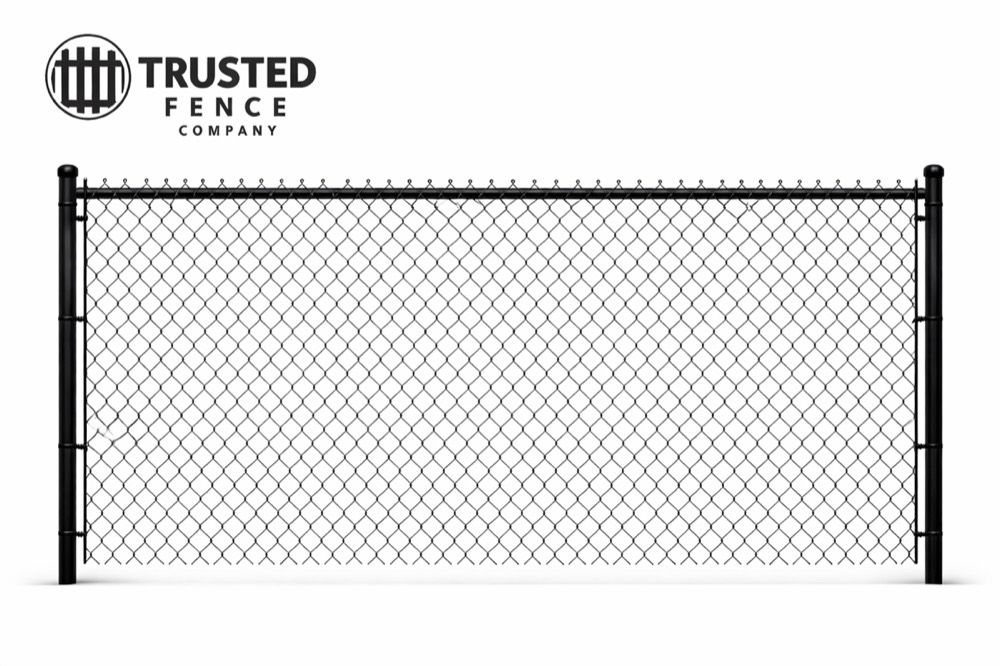
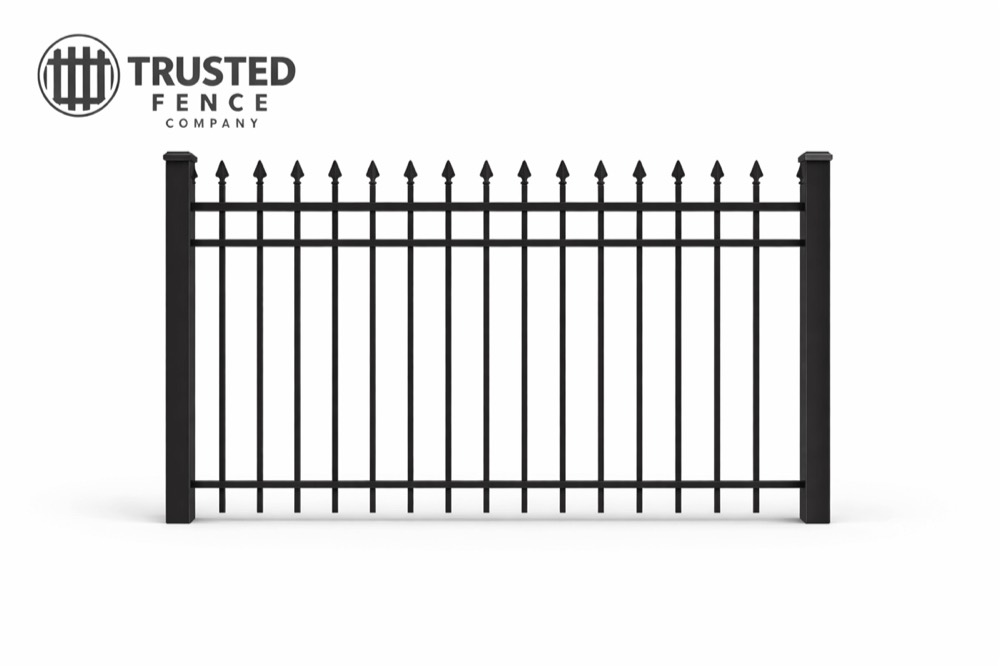
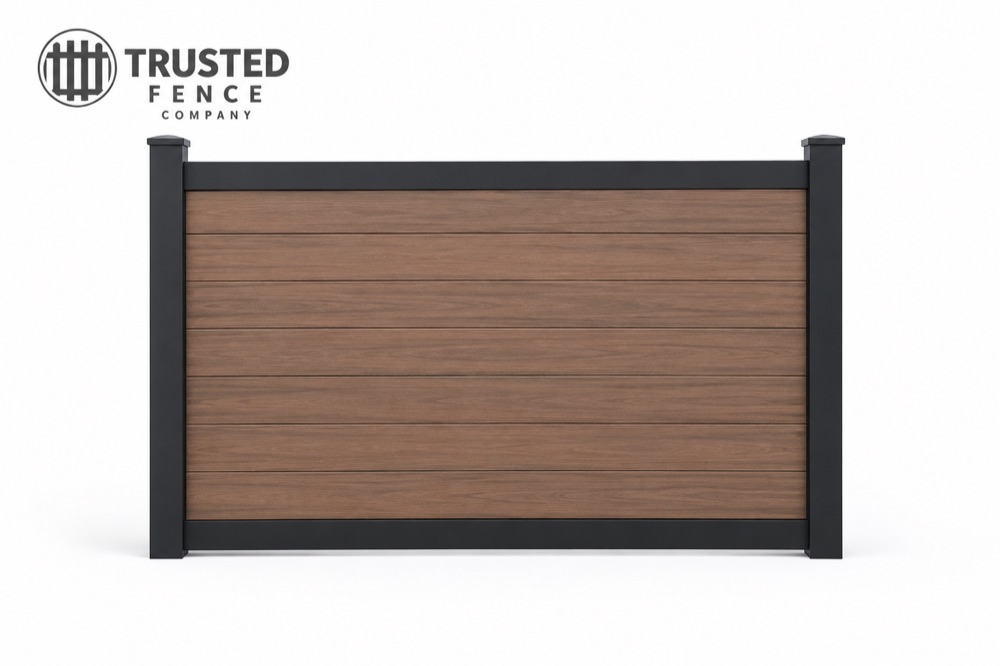
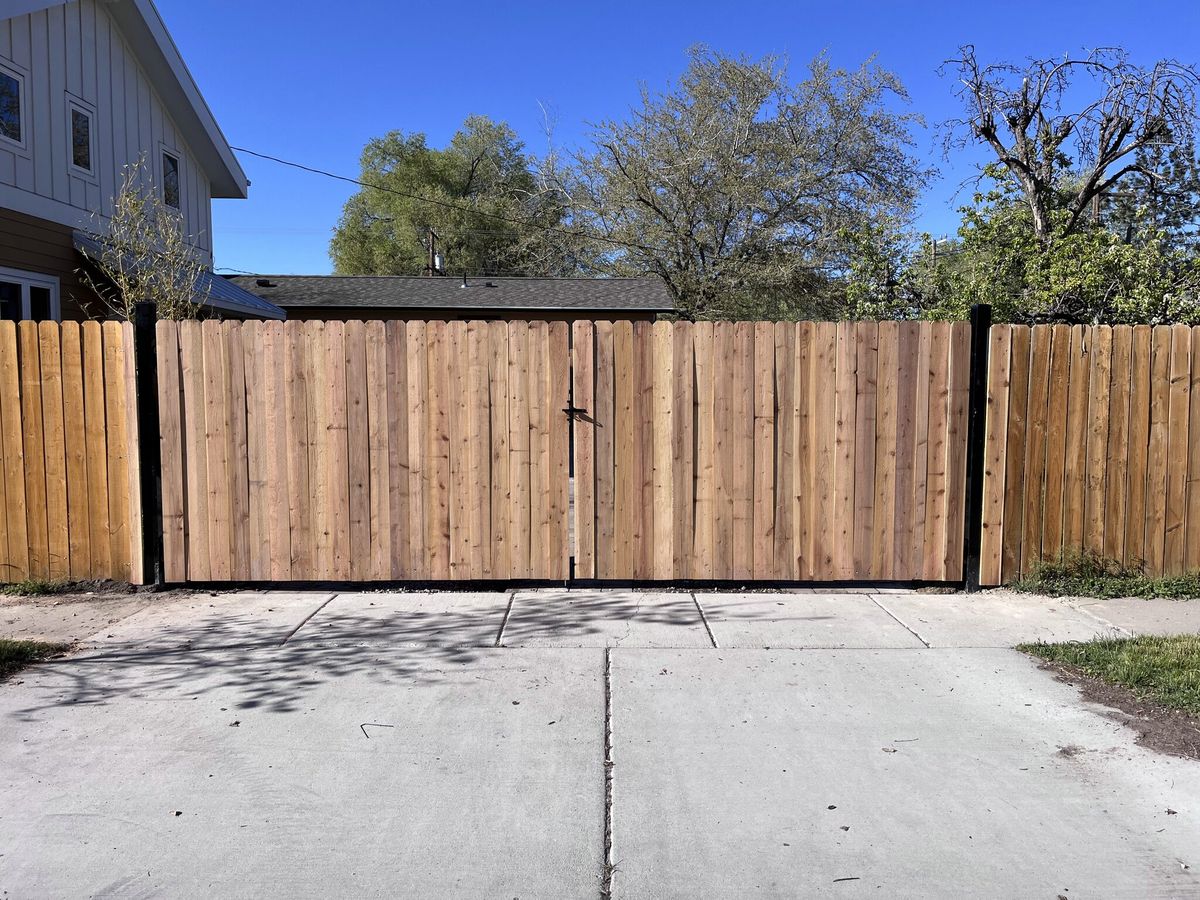
It depends on material and footage. Chain link costs the least per foot, cedar and vinyl sit in the middle, and ornamental iron and composite are the premium end. Height, grade, gates, and old-fence teardown move the number too. That's why we quote in person, for free: you get an itemized, written price for your actual yard, and it's locked. We don't run gimmick offers or "today-only" discounts to get a signature: the number you sign is the number you pay. For a fuller breakdown of what moves the price, read how much fence contractors charge in Salt Lake City.
Do you charge to come out and look at my project? +
No. Estimates are free and there's no trip fee. We walk your property line, measure it, talk through materials, and put a number in writing. You pay nothing unless you decide to build.
How fast can you get my fence installed? +
We respond to every call and form the same day, and your quote includes a real start window, and it is one we hold. Once we're on site, most residential fences go up in one to three days depending on footage and material.
Will my HOA allow the fence I want? +
Height and material restrictions are common across Salt Lake Valley HOAs, and we deal with them constantly. Tell us your HOA and we'll spec the fence to match its rules, and give you the drawings and material sheets you need for approval before anything is ordered.
Do I need a permit to build a fence in Salt Lake City? +
Usually, yes. Salt Lake City requires a permit from Building Services for fence installation, and the rules depend on height, material, and where the fence sits on your lot. Generally, fences can be 4 feet tall in front yards and 6 feet tall along the sides and back, with a lower limit near corner intersections. Homeowners can generally apply for their own primary residence, while rental and commercial properties need a licensed contractor. Outside the city, towns like Sandy, Draper, and Millcreek set their own rules. We check the requirements for your address before we build.
Who pays for a fence between neighbors in Utah? +
It is usually agreed between neighbors. Utah's fence cost-sharing law is written mainly around agricultural land, so on a typical residential lot a neighbor is not automatically required to pay half. We can quote the full line so the two of you can decide together. Put the split in writing and confirm the property line before work starts. If you are in a dispute, talk to a Utah attorney.
Can you install a fence in winter? +
Usually, yes. Utah's freeze-thaw cycle is exactly why post depth matters, so we set posts two feet deep in concrete year-round. Deep frozen ground can occasionally push a start date, and if it will, we'll tell you straight instead of doing it wrong.
What if I'm not happy with the work? +
We make it right. Every job ends with a walk-through against a simple standard: plumb, level, square, site cleaned. If something's off, we fix it before final payment. After that, your install is backed by our satisfaction guarantee.